


Green olives are one of the oldest foods in human history. For thousands of years, people across the Mediterranean have been harvesting, curing, and eating them. They are packed with healthy fats, antioxidants, and phenolic compounds — and they taste extraordinary when handled well.
But green olives are more than a cocktail garnish or pizza topping. Understanding what they are, why they are harvested early, and how their nutrition changes as they ripen gives you a completely different appreciation for this ancient fruit.
What Are Green Olives?
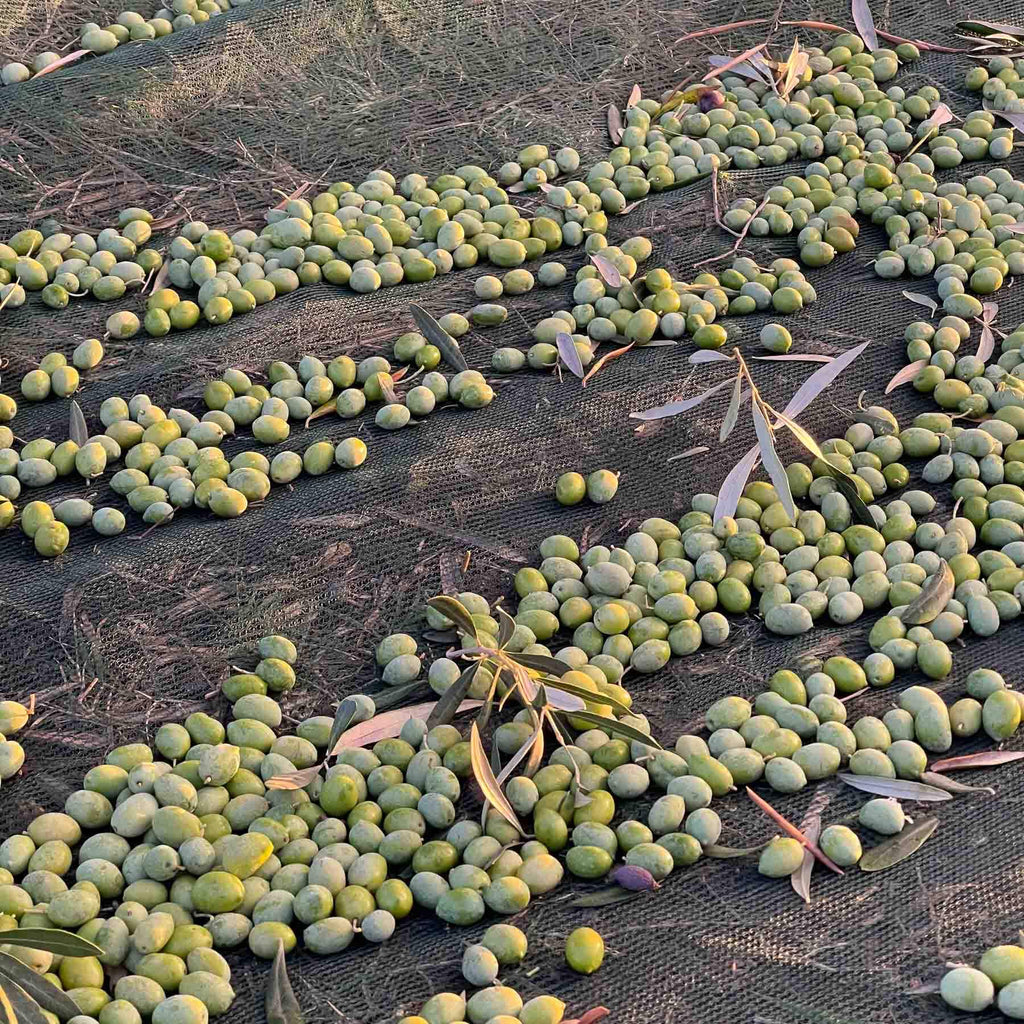
Green olives are olives harvested before they fully ripen. All olives start green and darken as they mature — moving from green to yellowish-green, then purple, then black. Green olives are picked early while the fruit is still firm and chlorophyll levels in the flesh are at their peak. Botanically, olives are a drupe — a stone fruit in the same family as cherries, peaches, and plums. They are a fruit, not a vegetable.
If you have ever bitten into a raw, uncured green olive straight from the tree, you know they are intensely bitter and nearly inedible. That bitterness comes primarily from oleuropein, one of the most important phenolic compounds in the olive fruit — and one of the main reasons green olives are so nutritionally valuable. Before they can be eaten, that bitterness must be removed through curing.
Why Green Olives Have More Antioxidants Than Black Olives
Science Spotlight: The Antioxidant Peak
Research published in Nutrients shows that total phenol concentration — particularly oleuropein — reaches its absolute maximum during the green maturation stage. As the fruit continues to ripen and darken, these levels drop significantly while fat content increases. This is why green olives are firm and bitter, and black olives are oily and mild.
This is also why olive oil producers who want maximum polyphenol content harvest early, when the fruit is still green or just beginning to turn. Read our guide to polyphenol-rich olive oil here.
Green olives also contain higher levels of chlorophyll and carotenoids than ripe fruit. As the olive ripens, chlorophyll declines and anthocyanins take over as the primary pigment. Food Chemistry research confirms this transition shifts the profile from high-antioxidant to high-fat — neither better nor worse, just different.
The Nutritional Profile of Green Olives
Green olives are primarily composed of healthy fats, water, and phenolic compounds. Their fat content is lower than black olives — typically 6 to 24 grams per 100 grams depending on cultivar — because fat accumulates as the fruit matures. The fat profile, however, is excellent: table olives consist of 66 to 82% monounsaturated fat, with oleic acid as the dominant fatty acid — the same oleic acid that makes extra virgin olive oil beneficial for cardiovascular health. The American Heart Association notes that replacing saturated fats with monounsaturated fats like those in olives may help improve blood cholesterol levels.
Why Are Green Olives Harvested Early?
Farmers harvest green olives early for three reasons: flavor, structure, and nutrition. The vibrant, bitter profile mellows beautifully during brining. Firm, underripe fruit holds its shape through the curing process without falling apart. And early harvesting locks in the highest concentration of antioxidants before they decline with ripening. In southern Italy, table olive harvest typically takes place in August, followed by oil harvest in October. Read about how Calabrian olive harvest works here.
How Green Olives Are Cured
Curing removes the intense bitterness caused by oleuropein. Every method achieves this differently, and the choice of curing method significantly affects the final flavor, texture, and nutritional profile of the olive.
Spanish-Style (Lye Cured)
The most common commercial method worldwide. Olives are treated with a food-grade lye solution that quickly neutralizes oleuropein, then rinsed thoroughly and fermented in salt brine. The process takes days rather than months, which is why it dominates large-scale production. The result is a clean, mild, consistent olive — what you typically find stuffed with pimento in a supermarket jar.
Greek-Style (Natural Brine)
Olives go directly into a salt brine without lye treatment. The bitterness breaks down slowly through natural lacto-fermentation over many months, sometimes up to a year. This slower process preserves more of the natural phenolic compounds and produces a more complex, slightly funky flavor. Olives cured this way tend to be more nutritionally intact and have a longer, more developed taste.
Sott'olio (Under Oil)
The Calabrian method — and the oldest of the three. Olives are first brined to remove bitterness, then packed with fennel, chili, and garlic, and submerged under olive oil for storage. The oil seals out oxygen and acts as a flavor carrier, absorbing the aromatics over time. This is the tradition Lina, Giuseppe's mother, still follows every summer — a practice passed down through generations of Morisani family harvests.
Common Green Olive Cultivars
There are over 2,000 olive cultivars in the world. The most widely recognized green table varieties include:
- Castelvetrano: Sicily's most famous table olive — buttery, mild, and bright green. Often described as the olive for people who think they don't like olives.
- Manzanilla: Spain's staple table olive, firm and slightly nutty. The variety most commonly stuffed with pimento.
- Picholine: French in origin, with a crisp texture and clean, lightly briny flavor.
- Gordal: A large Spanish variety, meaty and mild — popular for stuffing with anchovies or cheese.
How to Use Green Olives in the Kitchen
Green olives add brininess and depth wherever you use them. They are a staple in pasta sauces like pasta alla puttanesca, where their saltiness builds the base of the sauce alongside capers and anchovies. They press beautifully into dough for rosemary focaccia. They also mellow significantly when added to braised chicken or roasted fish in the final minutes of cooking, losing their sharpness and becoming soft and savory.
For the best quality, look for brine-packed olives rather than oil-packed. Store opened jars in the refrigerator submerged in brine and use within a few weeks.
Frequently Asked Questions
Are green olives healthier than black olives?
In terms of antioxidant and phenolic content, yes. Green olives contain higher concentrations of oleuropein and other beneficial compounds because they are harvested before these levels decline during ripening. Black olives have a higher fat content, which is not unhealthy — just a different nutritional emphasis.
Can you eat green olives raw?
Technically yes, but the bitterness from oleuropein is intense enough to make them unpleasant straight from the tree. Curing is necessary to make them palatable. The curing process does not remove the health benefits — it removes the bitterness while largely preserving the phenolic compounds.
Why are green olives so salty?
Salt brine is the primary curing and preservation medium for green olives. The salt draws out moisture from the fruit, which helps neutralize bitterness and creates the environment for fermentation. The sodium content is worth noting if you are watching salt intake, though rinsing jarred olives before eating significantly reduces it.
What is the difference between green olives and black olives?
They are the same fruit at different stages of ripeness. Green olives are harvested early, giving them higher antioxidant content, firmer texture, and more bitterness. Black olives are harvested at full ripeness, giving them higher fat content, softer texture, and a milder flavor. Read our full guide to black olives here.
Are green olives a fruit or a vegetable?
A fruit. Botanically, olives are a drupe — a stone fruit — in the same family as cherries and peaches. We cover this in detail here.
Shop our 100% Italian extra virgin olive oil, made in Calabria, single origin, and family farmed since 1927.
We wrote a book called The Olive Oil Enthusiast. Order your copy today.
You May Also Like
- Black Olives: What They Are and Why They Taste Different
- Polyphenol-Rich Olive Oil: What It Means and Why It Matters
- Are Olives a Fruit or a Vegetable?
Have a favorite way to use green olives? Leave a comment below! Tag your cooking on Instagram, Facebook, and TikTok with #EXAUoliveoil.


Leave a comment