




Every cuisine has a version of soffritto used as the base for soups, stews, and sauces. In Italian, the word comes from the verb soffriggere, which means "fried slowly" or "under-fried." It is one of the most important techniques in Italian cooking, and once you understand it, everything else gets easier.
Soffritto is a combination of aromatics and vegetables slowly fried in fat, used as the flavor base for soups, stews, sauces, and more. It is almost always the first step before adding other ingredients like ground meat, legumes, or broth.
What Is Italian Soffritto?
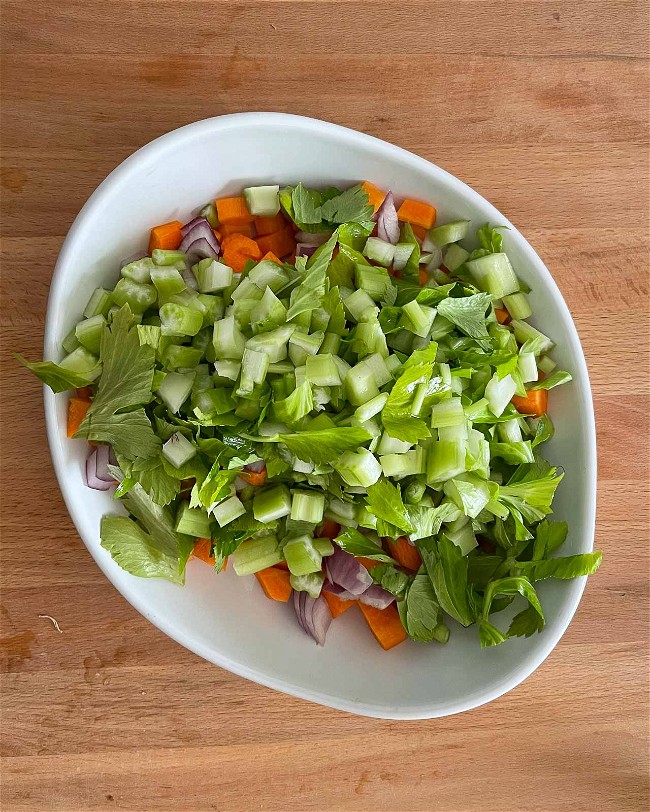
Italian soffritto is traditionally made with onion, carrot, and celery slowly fried in extra virgin olive oil. It serves as the foundation for ragù, soups, beans, and more. The exact fat and proportions may shift from region to region, but the core aromatics stay consistent.
Because every culture has its own version, the name and ingredients vary widely. For example, in Hispanic cuisine you will find sofrito, which often includes bell pepper. In France, mirepoix uses the same three vegetables but in different proportions. In Brazil there is refogado, and in the Dominican Republic they have sazon. Italian soffritto is the simplest and most restrained of all of them.
Which Fat Should You Use for Soffritto?
The fat you choose matters more than most people realize. Since soffritto is the foundation of the dish, its flavor carries through everything that follows.
Extra Virgin Olive Oil
We recommend using a high-quality extra virgin olive oil for soffritto. As it fries the aromatics and vegetables, it absorbs and contributes flavor simultaneously. A good oil makes the entire dish taste rounder and more complex.
Northern vs. Southern Italian Traditions
In northern Italy, especially near the Alps, soffritto is often made with butter or animal fat like goose fat. In southern Italy, olive oil is the standard and butter is rarely used. That said, there are pockets of the south where pork fat is traditional. There is no single right answer.
Using Animal Fat or Guanciale
If you prefer animal fat, guanciale or bacon work well because of their high fat concentration. Add the meat to a cold pot first and render it on very low heat for at least fifteen minutes. Once the fat has melted fully, add the vegetables and a drizzle of extra virgin olive oil. The combination builds an exceptionally deep flavor base, especially for ragù.
Soffritto Ratios: How Much of Each Vegetable
The traditional Italian soffritto ratio is 2:1:1, meaning twice as much onion as carrot and celery. This refers to volume of diced vegetables, not whole counts. That said, adjust based on what you are cooking and what you enjoy.
Onions
Onions add sweetness and aroma, especially when cooked low and slow. They melt almost completely into soups and sauces when fully cooked down, slightly thickening the texture. Use more onion when you want a more aromatic, sweet base.
Carrot
Carrots contribute sweetness and hold their shape well in soups and stews. For ragù alla bolognese, dice them very fine so they dissolve into the sauce. Add extra carrot if you like a slightly sweeter result in beans or braises.
Celery
Celery makes soffritto fresh and earthy. It holds its shape better than the other vegetables, adding a pleasant texture and subtle bitterness that balances the sweetness of the onion and carrot. Use more celery for a delicate, understated base.
How to Season Italian Soffritto
Seasoning is where soffritto becomes your own. Our favorites are fresh rosemary, fresh sage, dry fennel, dry bay leaf, and whole black peppercorns. Stick to two or three herbs plus peppercorns and adjust from there. Toasting whole spices before adding them brings out depth that you would otherwise miss.
Adding Peperoncino
We sometimes add dried peperoncino to soffritto, depending on the dish. For ragù, we skip it entirely. For soups, stews, and beans, it works very well and adds a gentle heat that builds slowly.
How to Make Italian Soffritto
Ingredients
- 1 medium onion
- 2 medium carrots
- 2 medium celery stalks
- 1/8 cup extra virgin olive oil (add a bit more if using additional vegetables)
Directions
- Dice the vegetables. Finely dice the onion, carrot, and celery, making sure all pieces are even — 1/4" x 1/4" to 1/16" x 1/16" works well. Alternatively, rough chop everything and blitz in a food processor until small and evenly sized. The finer the cut, the faster the vegetables will soften and brown.
- Heat the oil. In the same pot you will use for your ragù, soup, or stew, add 1/8 to 1/4 cup of extra virgin olive oil. Heat on medium-low for 60 seconds.
- Add the vegetables. Add all of the diced vegetables to the pot and stir, evenly coating everything with oil. Cook for 2 minutes, then stir again. Place the lid on the pot and turn the heat down to low.
- Cook low and slow. Stir every 5 minutes or so for the first 15 minutes. The vegetables should sizzle gently and slowly fry in the oil. If anything is turning brown or black quickly, the heat is too high — reduce it immediately.

When and How to Use Soffritto
Any time you make soup, stew, beans, or sauce, you can start with a soffritto. It is the perfect way to build flavor while you finish prepping the rest of your ingredients. For very finely diced vegetables, use a food processor to save time.
Soffritto for Beans
Soffritto for beans is the most flexible version. Use whatever aromatics and spices you have on hand. Skip the salt at this stage. If you want sweeter beans, add more carrot. For something earthier, lean on celery and sage.
Soffritto for Ragù and Lasagna
A traditional soffritto is essential for ragù alla bolognese and lasagna. Start with guanciale, render the fat low and slow, then add the onion, carrot, celery, and extra virgin olive oil. The combination of rendered meat fat and good olive oil creates a flavor foundation that carries the entire sauce.
Soffritto for Soup
For soup, keep it simple. Choose two or three vegetables for the soffritto, then add the rest directly to the broth. If the soup will be pureed, be careful not to overdo the aromatics, since blending concentrates flavors significantly.

Frequently Asked Questions
What is the difference between soffritto and sofrito?
Soffritto is the Italian version, made with onion, carrot, and celery fried in olive oil. Sofrito is the Spanish and Latin American version, which typically includes bell pepper and tomato. The names are similar but the ingredients and flavor profiles are quite different.
What is the difference between Italian soffritto and French mirepoix?
Both use onion, carrot, and celery, but the proportions and technique differ. French mirepoix is often sweated gently with little color. Italian soffritto is fried in fat at a slightly higher temperature, developing more flavor through light caramelization.
Can I make soffritto ahead of time?
Yes. Cook the soffritto fully, let it cool, and store it in an airtight container in the refrigerator for up to four days. You can also freeze it in portions for up to three months, which makes weeknight cooking much faster.
What is the best olive oil for soffritto?
Use a high-quality extra virgin olive oil with good flavor. Since soffritto is the foundation of the entire dish, a better oil makes a real difference. Shop our Calabrian EVOO here.
Can you use another type of oil for soffritto?
Technically yes, but it won't taste as good. Soffritto cooked in a neutral oil like vegetable or canola oil lacks the depth and flavor that extra virgin olive oil brings to the base. Since soffritto is the foundation of the entire dish, the oil matters from the very first step. Here's why we always choose olive oil over seed oils.
How long should you cook soffritto?
Cook soffritto on low to medium-low heat for at least 15 minutes, stirring occasionally. You want the vegetables to soften fully and become fragrant without browning. For ragù, you can go longer to develop even more depth.
We wrote a book called The Olive Oil Enthusiast. Order your copy today.
Every recipe in our kitchen starts with our family's extra virgin olive oil, cold-pressed from groves along the Ionian coast of Calabria that have been in Giuseppe's family since 1927. It is what we use every day, and it makes a genuine difference in dishes like this one. Shop our olive oil here.
You may also like:
Tagliatelle alla Bolognese (Ragù Bolognese)


Leave a comment