

Traditional bruschetta is one of the oldest Italian snacks there is. The name comes from the ancient Roman word "brusco," meaning toasted, and the original version was simply grilled bread with freshly pressed olive oil. Farmers used it to test the quality of their new harvest oil straight from the press. It is one of the simplest expressions of a bread tradition that runs deep across every region of Italy — if you want to explore that tradition, our Guide to Italian Breads by Region is a good place to start.
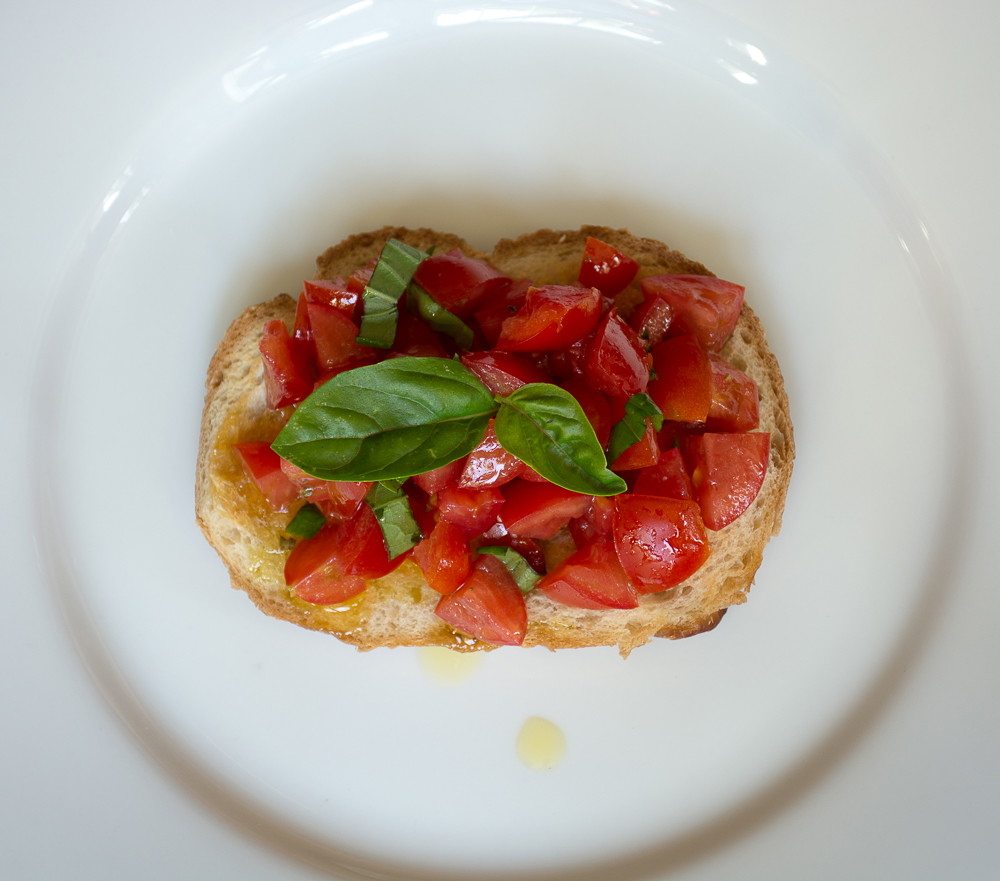
Today it is served as an appetizer, a midday snack, or a starter at the table. The version we make at home is a little more dressed up than the original, with cherry tomatoes, oregano, and a generous pour of our Turi extra virgin olive oil. It is still simple. It is still perfect.
What Makes a Good Traditional Bruschetta
Bruschetta has very few ingredients, so every one of them matters. The first and most important is the olive oil. According to legend, ancient Roman farmers would press their olives and immediately test the freshly pressed oil, called "olio nuevo," by drizzling it over toasted bread. That bite told them everything they needed to know about whether the harvest was any good.
We do not do much differently. A good bruschetta starts with exceptional olive oil and builds from there. Second comes the tomatoes. We use cherry tomatoes from our backyard when they are in season. When they are not, store-bought will do just fine.
Ingredients
- ½ lb (225 g) cherry tomatoes
- 3 tbsp extra virgin olive oil (we use our Turi)
- 1 pinch salt, or to taste
- 2 pinches dried oregano, or to taste
- 4 slices Italian loaf or sourdough, cut ½ inch thick
- Fresh basil, for garnish
- ¾ tbsp red onion, finely chopped (optional)
- 1 tsp fresh Calabrian chili pepper, finely chopped (optional)
How to Make Traditional Bruschetta
- Using a sharp knife, gently cut the cherry tomatoes into quarters and place them in a bowl.
- If using, finely chop the red onion and Calabrian chili pepper and add them to the bowl.
- Add the olive oil, salt, and oregano. Mix well and let the mixture sit for at least 30 minutes so the flavors can meld.
- Toast the bread in a toaster or oven until the top is golden and crunchy. Let it cool slightly before topping.
- Spoon the tomato mixture evenly over each slice of bread. Garnish with a fresh basil leaf and serve immediately.
Tips for the Best Bruschetta
The Bread
In Italy, bruschetta is traditionally served on a plain Italian loaf, the kind you find at a local bakery. In the U.S., a good sourdough is the best substitute. The bread should be cut thick, at least half an inch, so it can hold the tomatoes without going limp. We strongly recommend using a toaster rather than the oven for even, consistent crunch.
The Olive Oil
The olive oil goes directly into the tomato mixture and onto the toast, so you will taste it raw. This is not the place for a neutral or low-quality oil. Use the best extra virgin olive oil you have. We specifically recommend our Turi for bruschetta. Its fruity, slightly peppery finish pairs beautifully with fresh tomatoes.
The Timing
Bruschetta must be plated and served immediately. If the tomatoes sit on the bread for more than a few minutes, the moisture soaks into the toast and makes it soggy. To get ahead of this at a party, toast the bread in advance and keep the tomato mixture in a separate bowl. Then assemble right before serving.
The Calabrian Chili Pepper (Optional)
If you want a little heat, finely chop a fresh Calabrian chili and add it to the tomatoes. It adds a fruity, spicy note that works especially well in summer. Start with a small amount and adjust to taste.
Frequently Asked Questions
What Type of Tomato Works Best?
Cherry tomatoes are our first choice. They are sweet, firm, and hold their shape after cutting. In peak summer, heirloom cherry tomatoes are outstanding. Outside of tomato season, a good vine-ripened cherry tomato from the store will do.
Should I Add Garlic to the Bread?
In many Italian versions, the toast is rubbed with a raw garlic clove right out of the toaster. This adds a sharp, subtle garlic flavor without overwhelming the tomatoes. If you enjoy garlic, try it. If you prefer a cleaner flavor, skip it.
Can I Make Bruschetta Ahead of Time?
Yes, with one condition: keep the tomato mixture and the toast completely separate until you are ready to serve. The tomato mixture can sit at room temperature for up to two hours and actually improves as it rests. The bread, however, should be toasted and assembled at the last moment.
What Is the Difference Between Bruschetta and Crostini?
Bruschetta uses thicker slices of bread and is typically served as a rustic snack or appetizer. Crostini are thinner, smaller rounds that are baked until crisp and used as a base for toppings. Both are delicious, but they are not the same.
Is Bruschetta an Appetizer or a Snack?
Both. In Italy, bruschetta is eaten at any time of day. From July through October, you might find Italians eating it as a mid-afternoon snack outside in the sun. At dinner, it works equally well as a starter before a pasta course.
You may also like:
Roasted Tomatoes with Olive Oil
Every recipe in our kitchen starts with our family's extra virgin olive oil, cold-pressed from groves along the Ionian coast of Calabria that have been in Giuseppe's family since 1927. It is what we use every day, and it makes a genuine difference in dishes like this one. Shop our olive oil here.
We wrote a book called The Olive Oil Enthusiast. Order your copy today.
Making this recipe? Tag us on Instagram and TikTok with #EXAUoliveoil for more!


Leave a comment